
the Bi-Phasic Diet
The Bi-Phasic Diet is a carefully designed eating plan that supports people struggling with digestive issues, especially those diagnosed with Small Intestinal Bacterial Overgrowth (SIBO). Created by Dr. Nirala Jacobi, this diet is structured into two stages or “phases,” which makes it easier for the gut to heal step by step. Instead of eliminating all problematic foods at once, the diet gradually reintroduces certain foods when the digestive system is ready.
Recipes play a vital role in this journey. Without tasty and practical meal ideas, it can be difficult to stick to a restricted diet. That’s why bi phasic diet recipes are so important—they help you enjoy nourishing meals while keeping your digestive health in balance.
The Two Phases of the Bi-Phasic Diet
The Bi-Phasic Diet is divided into two distinct stages. Each has its own purpose, food guidelines, and recipe options.
Phase 1: Restricted Phase
This stage focuses on calming digestive symptoms by starving the excess bacteria in the small intestine. The diet during this phase is very limited, with an emphasis on lean proteins, non-starchy vegetables, healthy fats, and broth-based meals.
Phase 2: Semi-Reintroduction Phase
Once symptoms start improving, Phase 2 begins. This stage slowly reintroduces certain foods, such as low-FODMAP fruits, nuts, and more vegetables. Recipes become a little more varied and flexible, but the goal remains the same—supporting gut healing and preventing relapse.
Key Food Guidelines for Bi-Phasic Diet Recipes
When planning bi phasic diet recipes, it’s important to know which foods are allowed and which should be avoided.
Here’s a quick overview:
| Food Group | Allowed in Phase 1 | Allowed in Phase 2 | Restricted Foods |
|---|---|---|---|
| Proteins | Chicken, beef, fish, turkey, eggs | Same as Phase 1 | Processed meats, sausages with additives |
| Vegetables | Zucchini, spinach, cucumber, lettuce, carrots | Pumpkin, tomatoes, bell peppers | Onions, garlic, cauliflower, beans |
| Fruits | Mostly avoided (very limited) | Berries, kiwi, papaya, citrus (small amounts) | Apples, pears, watermelon, stone fruits |
| Fats & Oils | Olive oil, coconut oil, ghee, butter | Same as Phase 1 | Refined oils, margarine |
| Grains & Legumes | None in Phase 1 | Some gluten-free grains like quinoa (small portions) | Wheat, rye, barley, lentils, chickpeas |
This table makes it easier to see which ingredients you can confidently use in your recipes.
Cooking Tips for the Bi-Phasic Diet
Cooking on a restricted diet might seem challenging, but with the right approach, it can be enjoyable.
- Meal Prep: Preparing meals in advance ensures you don’t fall off track when hungry. Cooking soups, roasted meats, and vegetable sides in bulk can save time.
- Flavoring Foods: Use fresh herbs like basil, rosemary, thyme, and parsley to enhance flavor without causing digestive stress. Spices such as turmeric and ginger are also gut-friendly.
- Smart Substitutes: Replace pasta with zucchini noodles, swap wheat flour with coconut or almond flour, and use bone broth instead of packaged stocks.
- Cooking Methods: Opt for grilling, steaming, baking, or sautéing with healthy oils instead of deep frying.
Phase 1 Recipes (Restricted Phase)
In Phase 1, the recipes are simple but satisfying. Meals rely heavily on protein, vegetables, and healthy fats.
Breakfast Ideas
- Scrambled eggs cooked in ghee with a side of steamed spinach.
- A warm bowl of zucchini porridge made with grated zucchini, coconut oil, and a pinch of cinnamon.
Lunch Ideas
- Chicken and vegetable soup with carrots, zucchini, and parsley.
- Grilled salmon served with cucumber salad drizzled in olive oil.
Dinner Ideas
- Beef stir-fry with zucchini ribbons and ginger.
- Oven-roasted chicken thighs with sautéed spinach and herbs.
Snacks
- Boiled eggs sprinkled with sea salt.
- Cucumber sticks dipped in homemade olive oil dressing.
Phase 2 Recipes (Semi-Reintroduction Phase)
Phase 2 allows more flexibility and variety. Recipes start to include small amounts of low-FODMAP fruits, nuts, and extra vegetables.
Breakfast Ideas
- Coconut chia pudding topped with fresh blueberries.
- Smoothie with papaya, spinach, and unsweetened almond milk.
Lunch Ideas
- Turkey lettuce wraps with avocado slices and shredded carrots.
- Roasted pumpkin salad with herbs and olive oil dressing.
Dinner Ideas
- Lamb chops with roasted bell peppers and zucchini.
- Baked cod with fresh lemon juice, served with a side of sautéed greens.
Snack & Dessert Ideas
- Celery sticks with almond butter.
- Coconut flour muffins with cinnamon (low-sugar).
Sample 7-Day Bi-Phasic Diet Meal Plan
Here’s a simplified look at how a weekly plan might look.
| Day | Breakfast | Lunch | Dinner | Snack |
|---|---|---|---|---|
| 1 | Scrambled eggs with spinach | Chicken soup | Beef stir-fry | Boiled eggs |
| 2 | Zucchini porridge | Grilled salmon salad | Roasted chicken & spinach | Cucumber slices |
| 3 | Egg omelet with herbs | Turkey lettuce wraps | Lamb chops with zucchini | Almond butter with celery |
| 4 | Coconut chia pudding | Pumpkin salad | Baked cod with greens | Coconut muffin |
| 5 | Smoothie with papaya | Chicken soup | Beef stir-fry | Blueberries (small portion) |
| 6 | Scrambled eggs | Grilled turkey | Roasted salmon with vegetables | Cucumber sticks |
| 7 | Zucchini porridge | Pumpkin salad | Chicken thighs with spinach | Celery with nut butter |
This sample shows a balance of flavors while keeping the gut-friendly approach intact.
Shopping List for Bi-Phasic Diet Recipes
To stay consistent, a shopping list is essential.
Proteins: Chicken, turkey, fish, eggs, beef, lamb.
Vegetables: Zucchini, spinach, cucumber, lettuce, carrots, pumpkin, bell peppers.
Fruits (Phase 2): Berries, kiwi, papaya, citrus in small amounts.
Pantry & Oils: Olive oil, coconut oil, ghee, almond flour, coconut flour.
Herbs & Spices: Basil, rosemary, parsley, turmeric, ginger.
Common Challenges & How to Overcome Them
One of the biggest challenges is food cravings, especially for bread, pasta, or sugary snacks. Overcoming this requires creativity in cooking. Using substitutes like zucchini noodles or coconut flour muffins can help reduce cravings.
Another issue is eating out. The best approach is to choose grilled meats and steamed vegetables while avoiding sauces that may contain garlic, onions, or gluten.
Social events can also be tricky, but planning ahead by eating before you go or bringing your own dish can make the experience stress-free.
Conclusion
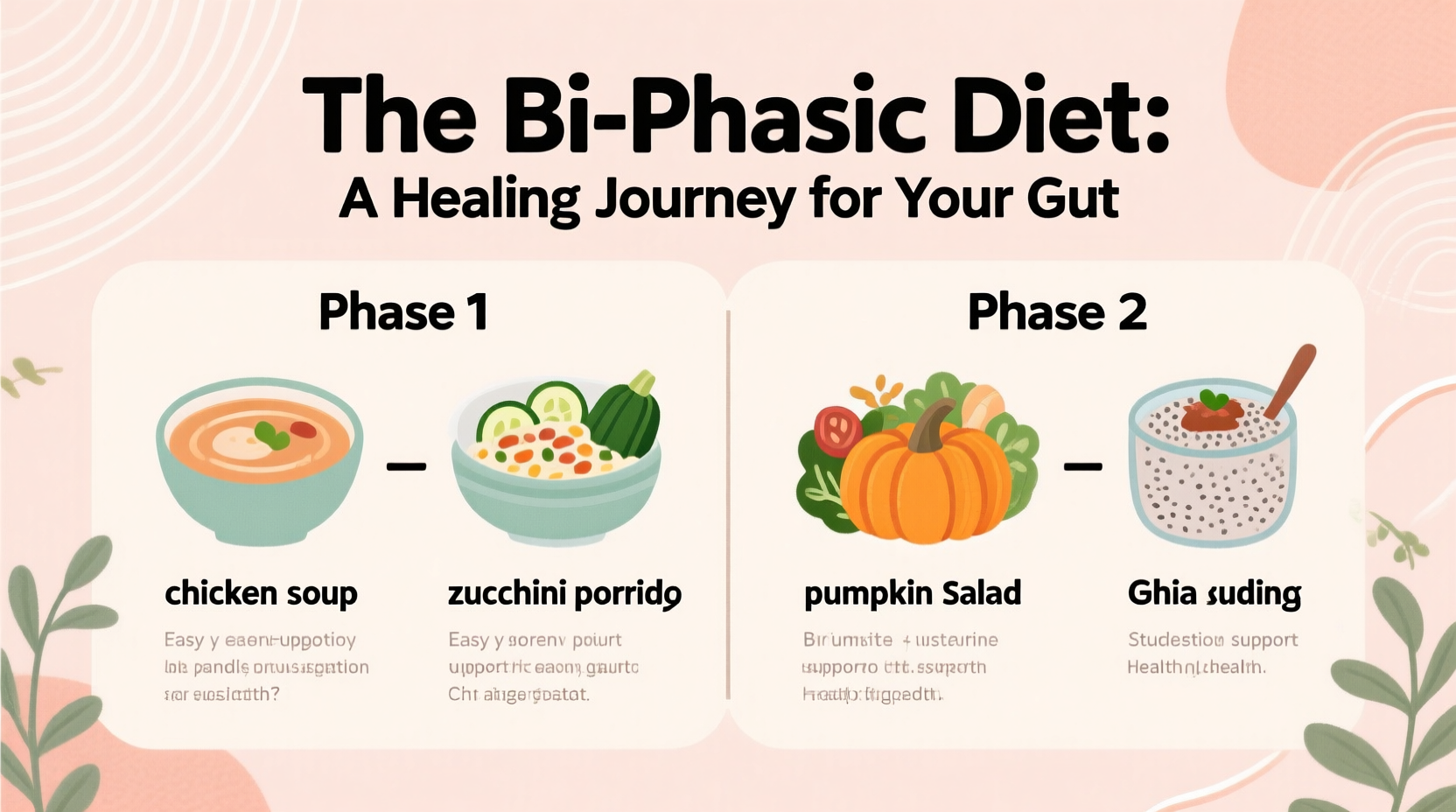
The Bi-Phasic Diet is more than just a temporary food plan—it’s a structured healing journey for the gut. With the right bi phasic diet recipes, it becomes easier to follow and much more enjoyable. From simple Phase 1 meals like chicken soup and zucchini porridge to Phase 2 options like pumpkin salad and chia pudding, there are plenty of delicious ways to support digestion and improve health.
By following this guide, preparing recipes in advance, and sticking to the shopping list, you can make the Bi-Phasic Diet a sustainable part of your lifestyle.